
Exhibition of “Spirits in Entwined Gazes: Time-Space Reconstruction of Hunan Culture and Tim Yip’s New-Orientalism Aesthetics” Kicked off at Hunan Museum
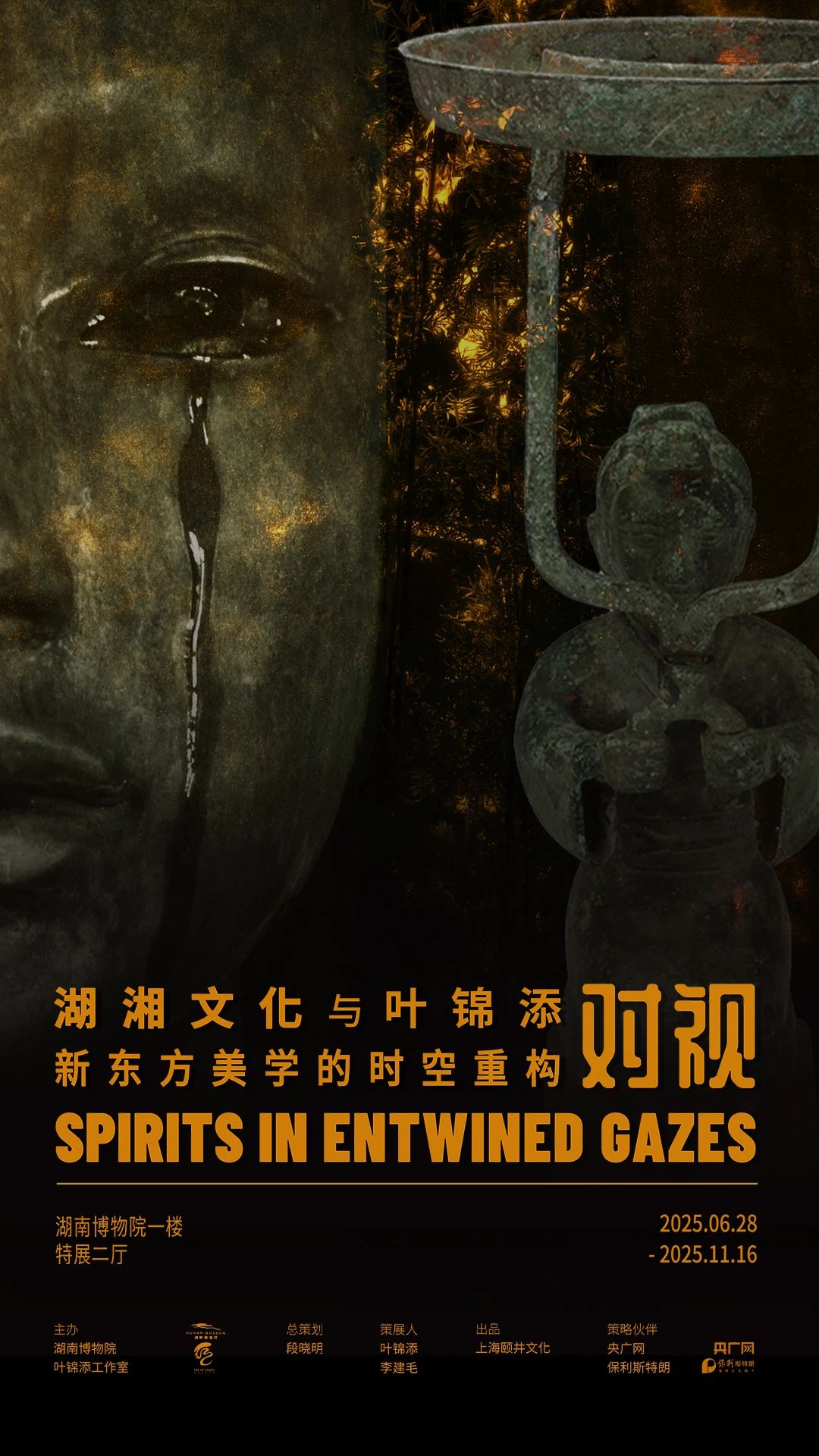
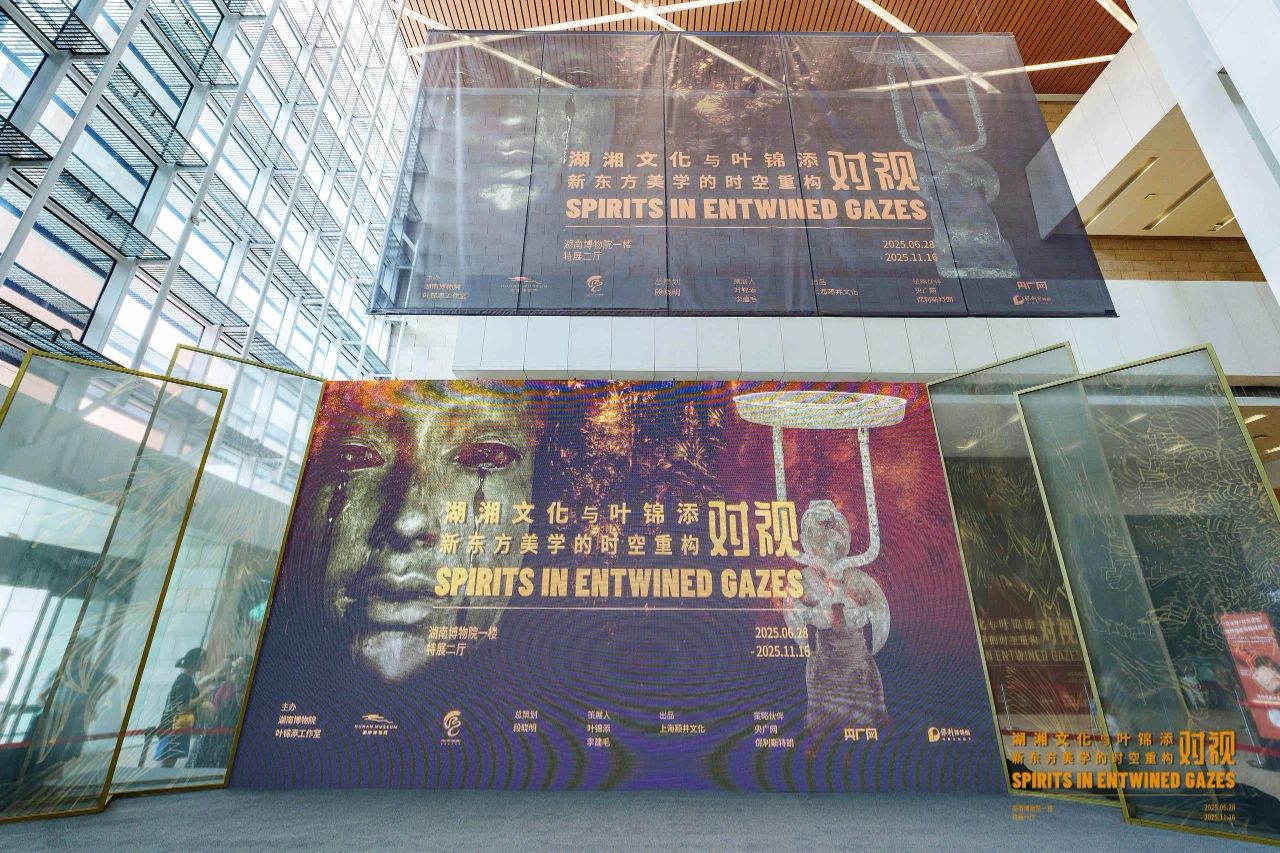
An opening ceremony was held at the Hunan Museum’s first-floor Art Hall on the afternoon of June 28 for the exhibition, “Spirits in Entwined Gazes: Time-Space Reconstruction of Hunan Culture and Tim Yip’s New-Orientalism Aesthetics.” Jointly curated by the Hunan Museum, Oscar-winning artist Tim Yip, and Professor Li Jianmao from Hunan Normal University, the exhibition was unveiled to an audience of over 100 guests. Notable attendees included Tim Yip, Professor Li Jianmao, and Dr. Tai Xiangzhou (PhD in Fine Arts, Tsinghua University). The event marks a significant dialogue between China’s ancient cultural treasures and contemporary art.
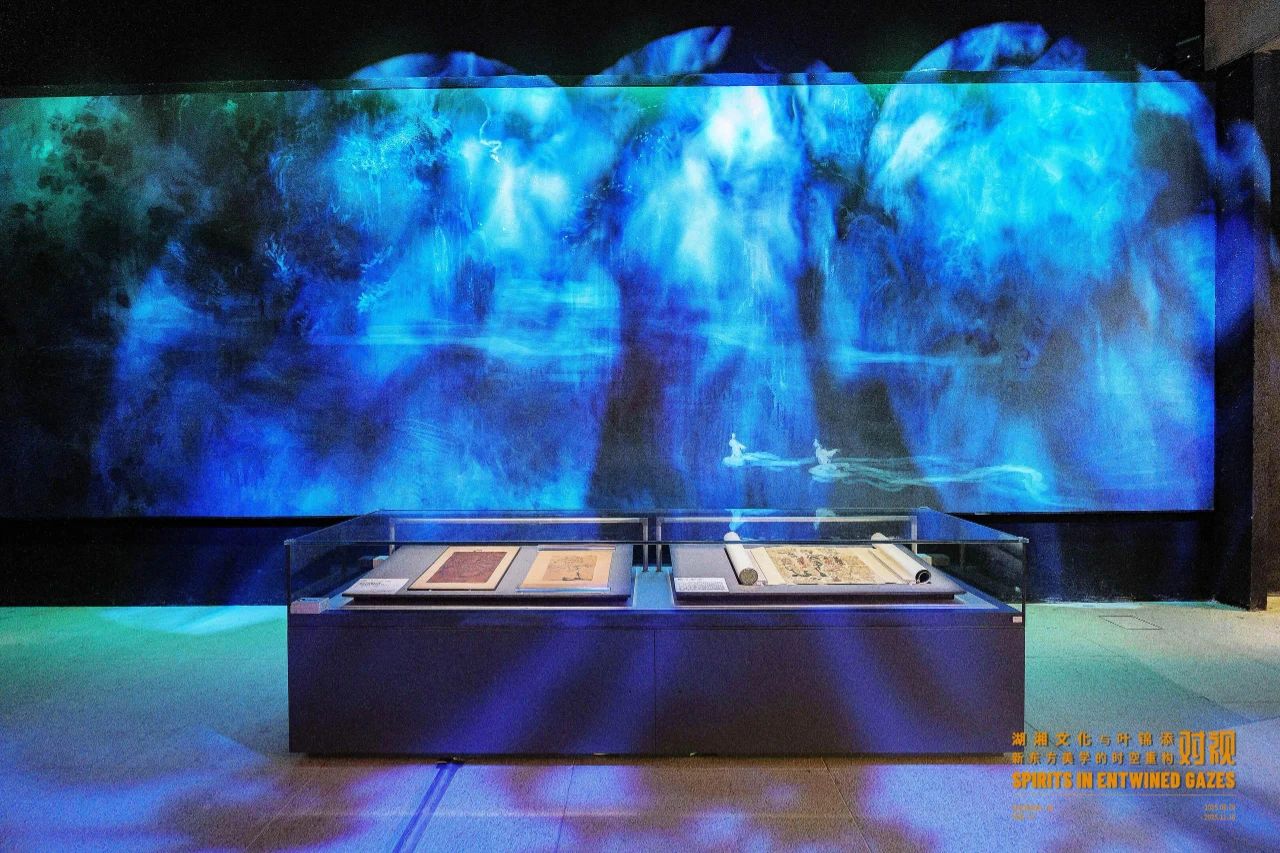
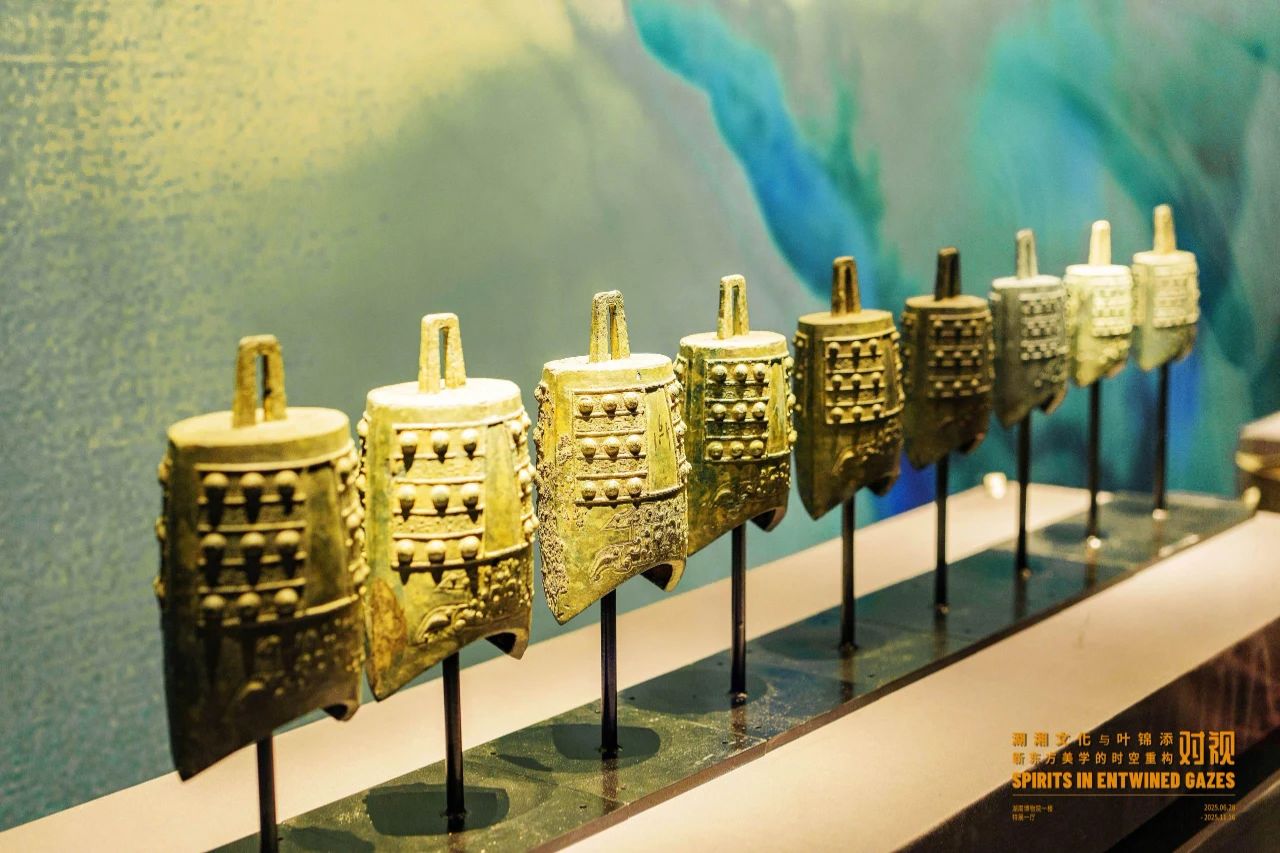
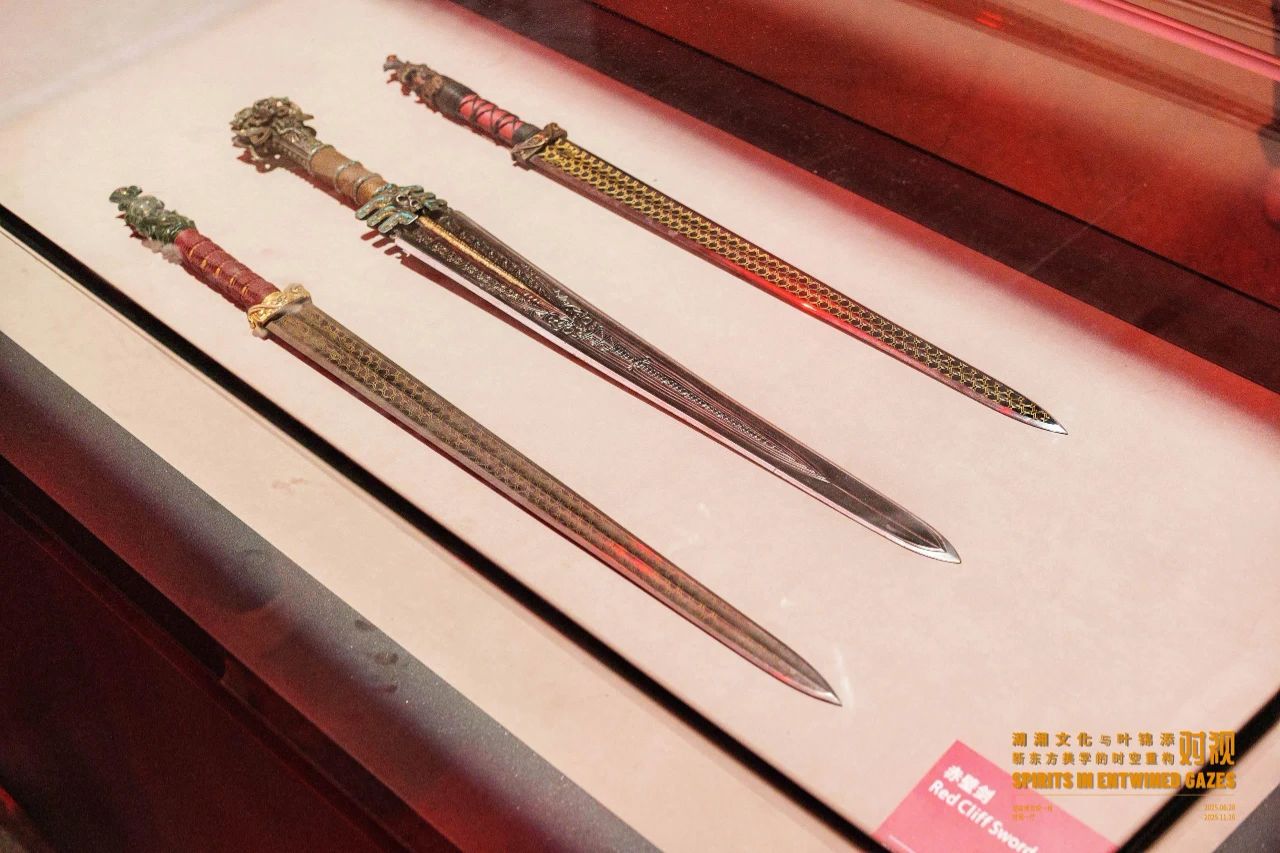
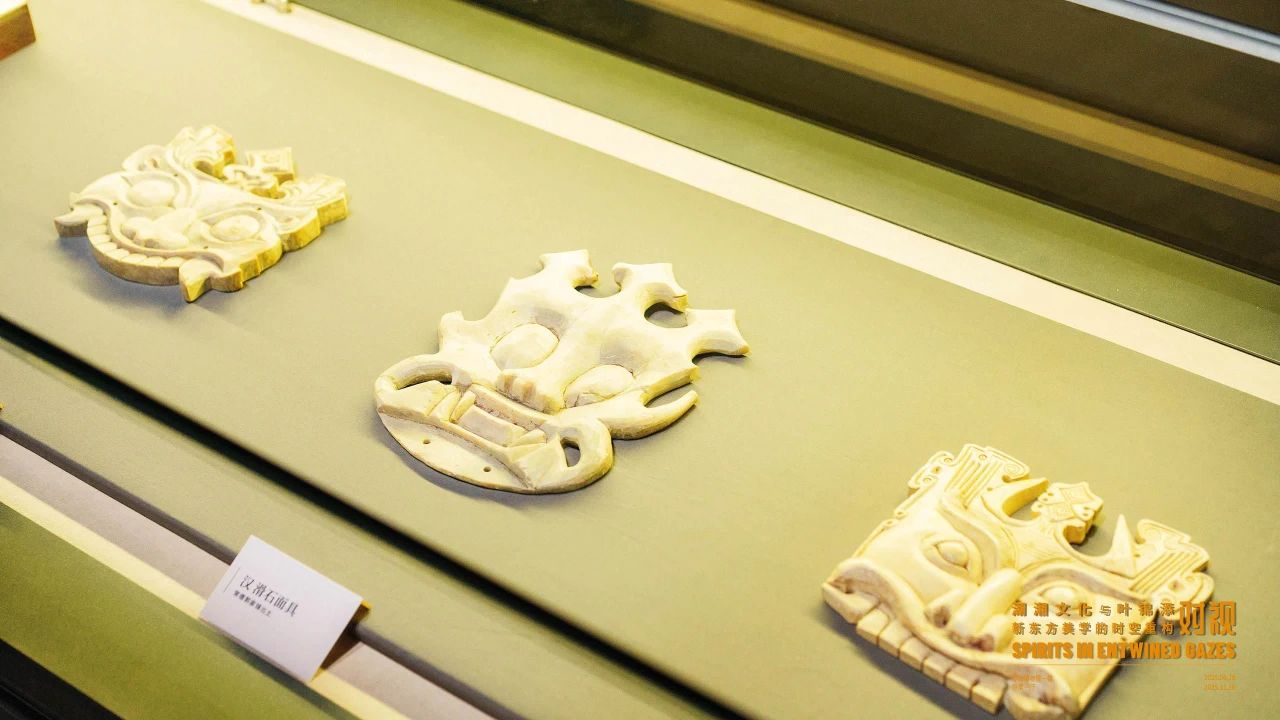
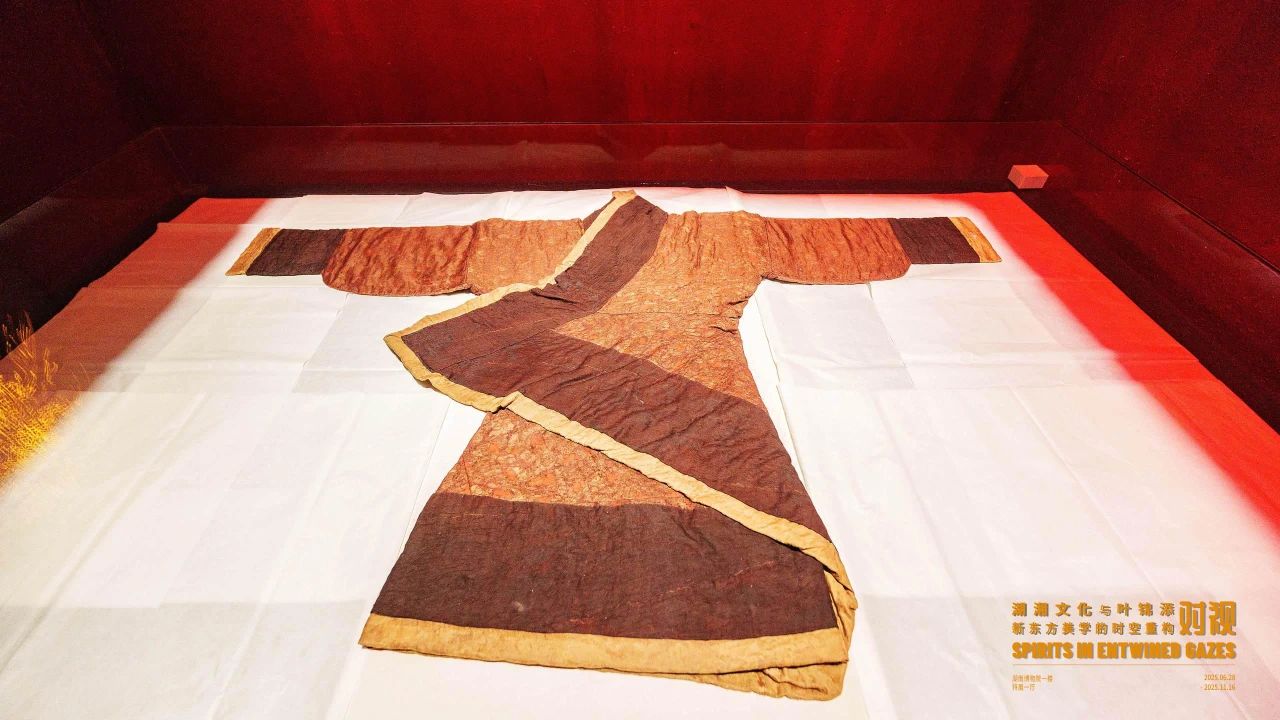
The exhibition, centered on the theme of “Gaze”, employs an innovative “cinematic-scenario” approach to transcend the boundaries of time and space. Over 160 artifacts embodying the essence of Hunan civilization are juxtaposed with more than 120 contemporary art pieces, film costumes, and props by Tim Yip that interpret his aesthetics of “New Orientalism”. This arrangement is designed to create a dialogue across time and space between Hunan culture and Yip’s artistic vision. A number of significant cultural relics are on display, including two of China’s earliest known silk paintings—Figure Driving a Dragon and Figure with Dragon and Phoenix. Additionally, the Dark Reddish Purple “Longevity Embroidery” Floss-silk Padded Gown from the Mawangdui Han Tombs, adorned with auspicious phoenixes and zhuyu (Tetradium ruticarpum) patterns, is making its public debut after restoration.
Following Tim Yip’s artistic vision, the exhibition space is built upon a symbolic system of three natural elements—water, fire, and earth—to create a new “Realm” unbound by temporal rules. This realm is structured into ten distinct sections: Chaos, Gaze, Solitude, Melody, Immortality, Ego, Anatta, Reverberation, Thrones, and Contemplation. This narrative structure is intended to guide visitors through an exploration of spirituality and myth. From immortals to divine creatures and myths, every visual detail in the exhibition has been meticulously developed, balancing aesthetic interpretation with rigorous historical and cultural research. The result is a world that is both historically grounded and emotionally resonant and is filled with mythological beauty. As a scholar of Hunan culture, Professor Li Jianmao provides a reinterpretation based on “field” and thick description of the artifacts within the exhibition’s context from a perspective of cultural relics studies. Within this curated space, the wisdom and emotions embodied in ancient artifacts intertwine with contemporary art’s inquiries into concepts such as “deconstruction and construction”, “primordial realm”, and “spiritual DNA”, which illustrates the enduring spirit of Hunan culture and the contemporary relevance of Orientalism aesthetics.
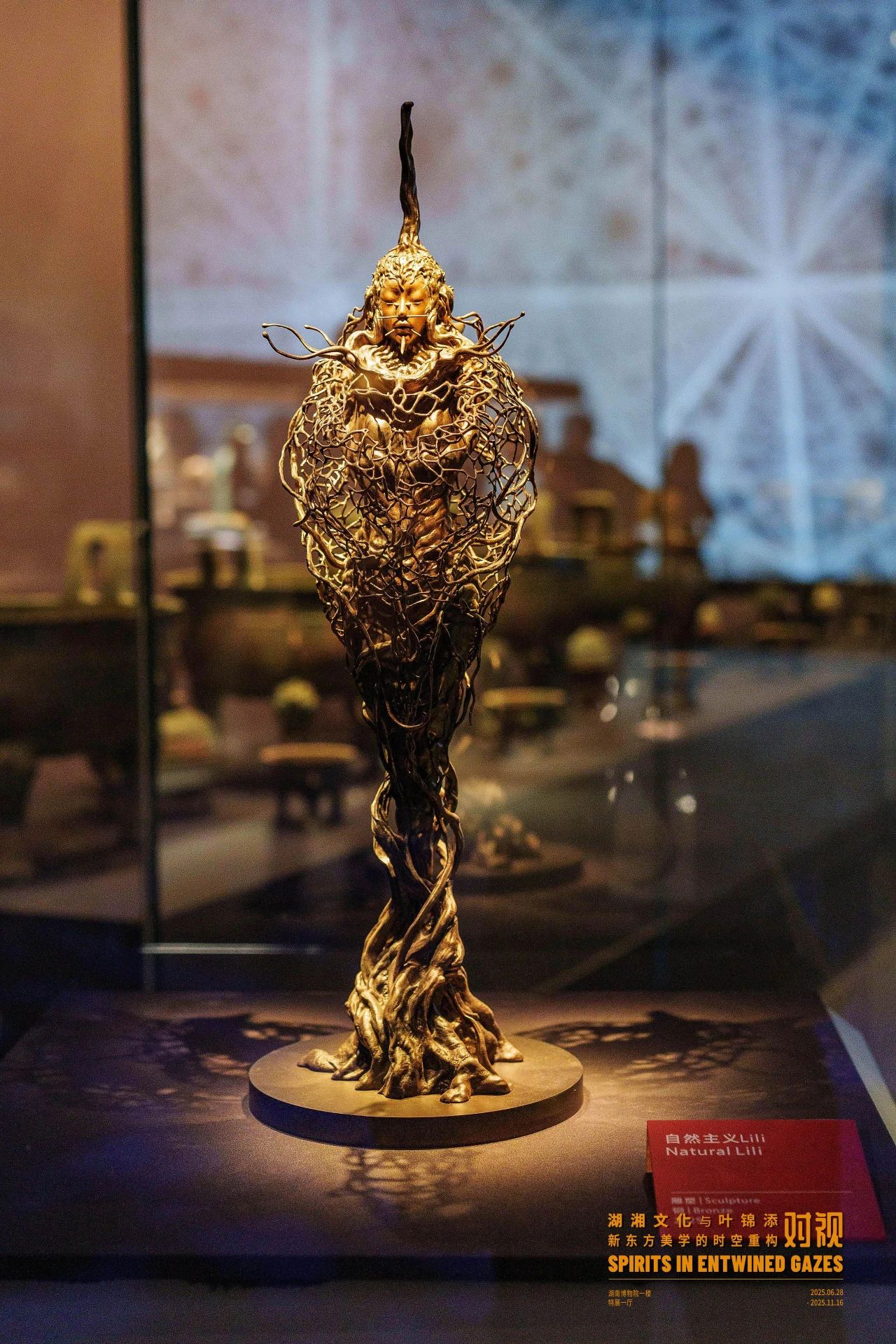
The exhibition uses an open-plan layout to create an immersive cultural field that allows for infinite interpretive possibilities. Several exhibits exemplify this approach. For instance, centered around artifacts like the silk painting Figure Driving a Dragon and the Dark Reddish Purple “Longevity Embroidery” Floss-silk Padded Gown, digital projections reproduce the romantic cosmology of the Chu and Han people. Visitors are guided to glimpse a prototype of the sculpture Qilin through gaps in rammed-earth walls and feel the mysterious tension of civilization’s origins. Led by the copper sculpture Primal Desire and the interactive drama Enchantment: Spirit of Hunan, the exhibition utilizes water to symbolize the continuation of the soul and fire to represent the philosophy of life and death. This immersive experience encourages visitors to deconstruct mythological thinking, seek a balance between the spiritual and the material, and re-examine the essence and meaning of life in pursuit of spiritual freedom. While enjoying a visual and spiritual feast, audiences are supplied with an opportunity to retrace the roots of Chinese civilization, feel the power of cultural confidence, and experience the vitality of a civilization that thrives through inheritance and innovates through openness.
Opening Ceremony Highlights
A Gathering of Luminaries: Lighting Up the Event with a Ceremonial Clapperboard
Duan Xiaoming, Secretary of the CPC Committee and Director of the Hunan Museum, Tim Yip, Oscar-winning artist for Best Art Direction, and Li Jianmao, expert on Hunan culture, were among the distinguished guests who launched the cultural feast with a creative clapperboard ceremony and shared the original inspiration behind the exhibition.
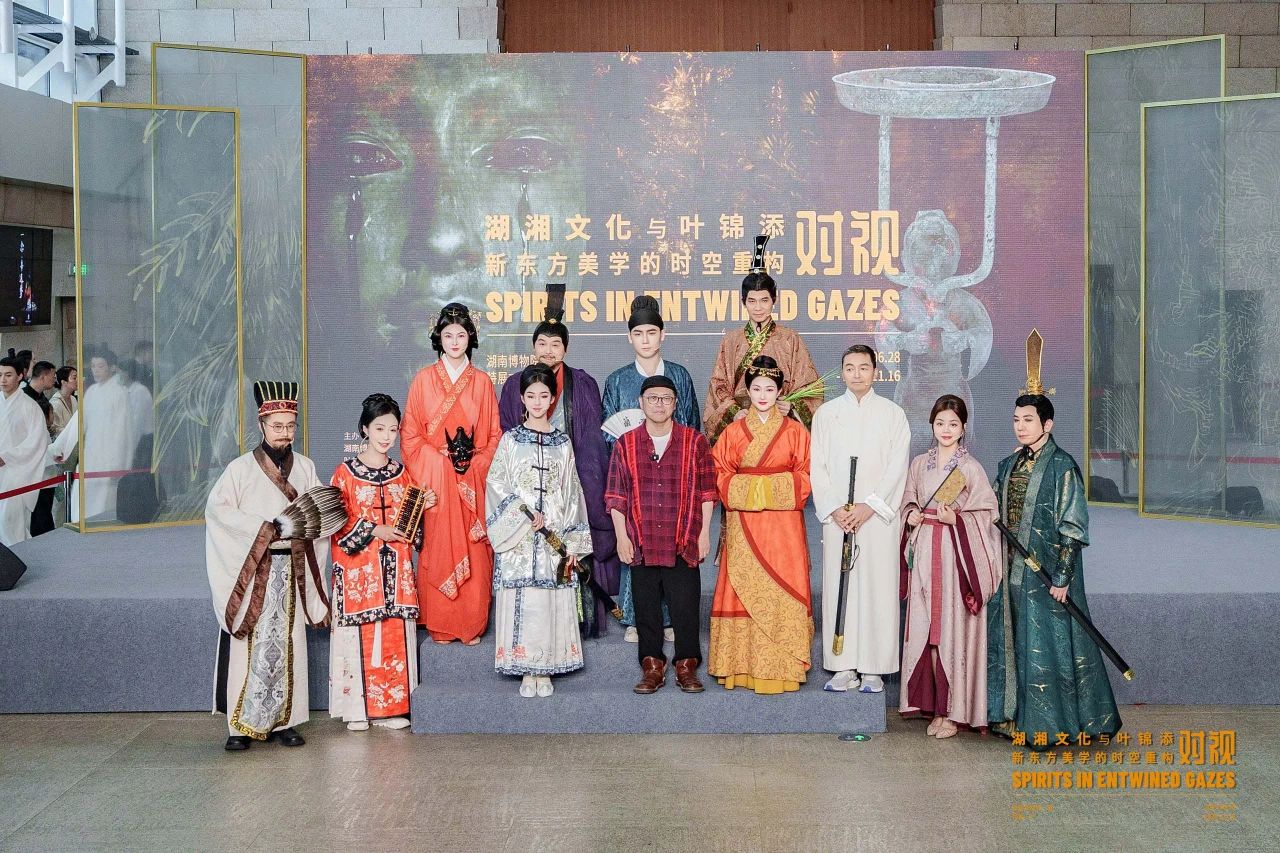
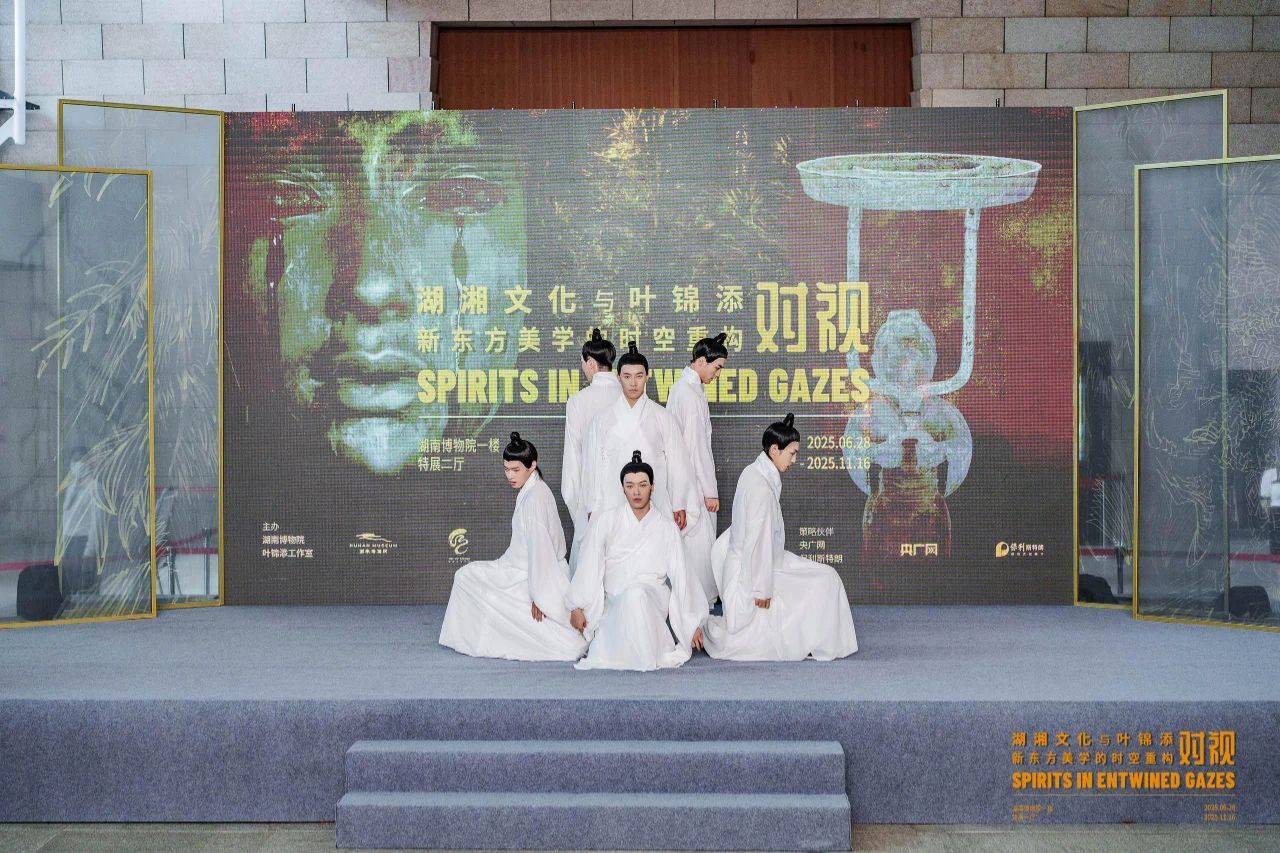
A Creative Unveiling Ceremony: Blending drama and Dance
Fourteen guests presented an immersive drama mixed with an original dance titled Enchantment: Lord of Xiang River in the “Realm” to embody a contemporary rebirth of ancient Chu culture.
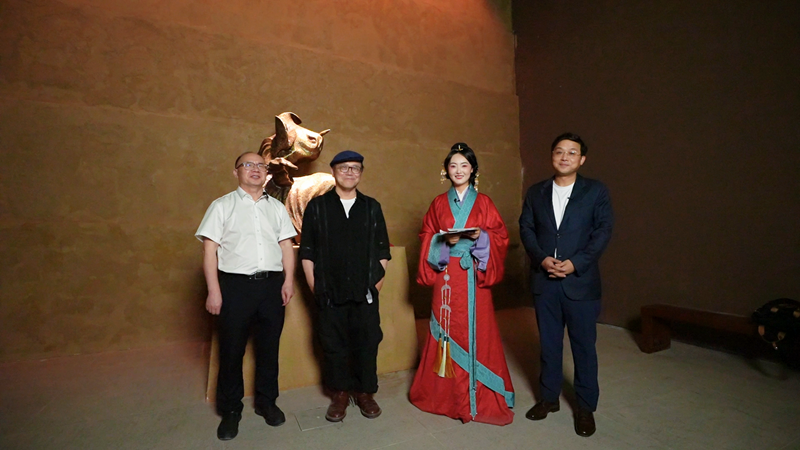
A Journey Through Time and Space: Unlocking the Secrets of Artifacts
Following the host and curators, guests went into the exhibition hall to explore the juxtaposition of over 160 Hunan artifacts with 120 works by Tim Yip. Through the narrative of “cinematic-scenario”, they gained insight into how cultural elements from these artifacts were reinterpreted in a contemporary context.
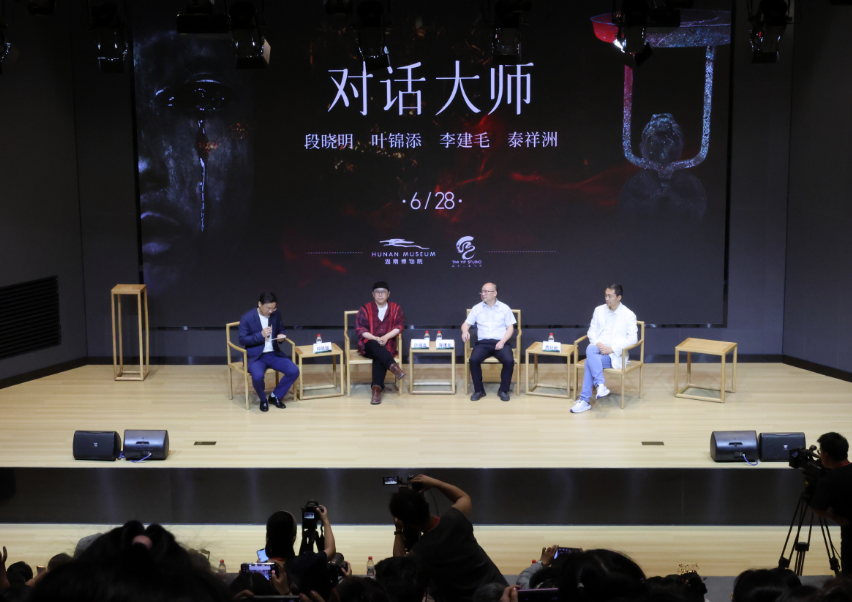
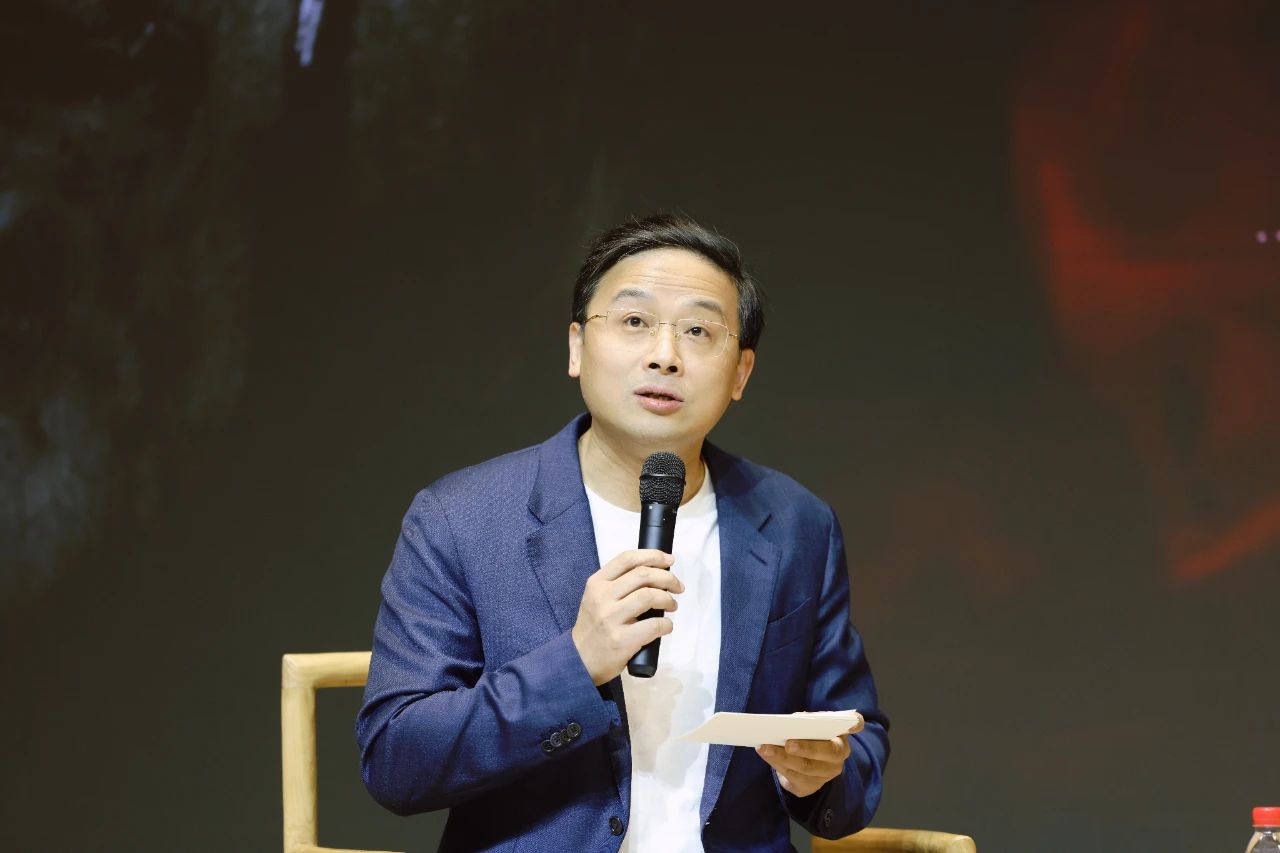
“Dialogue with Masters”
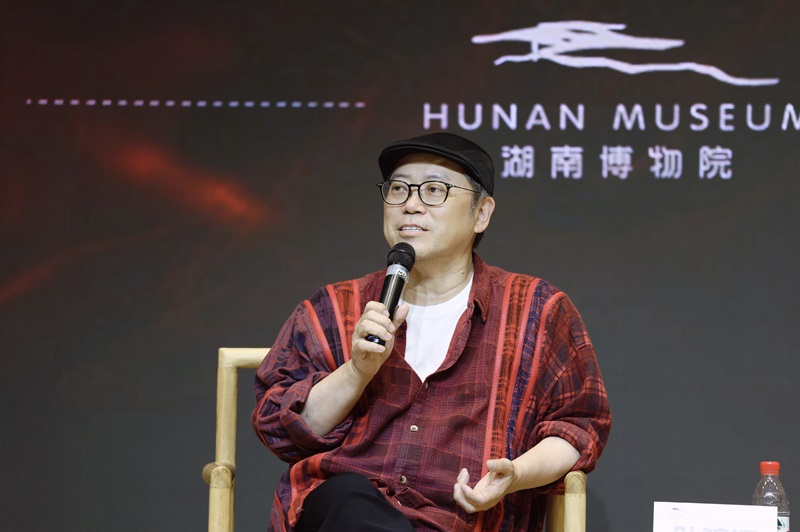
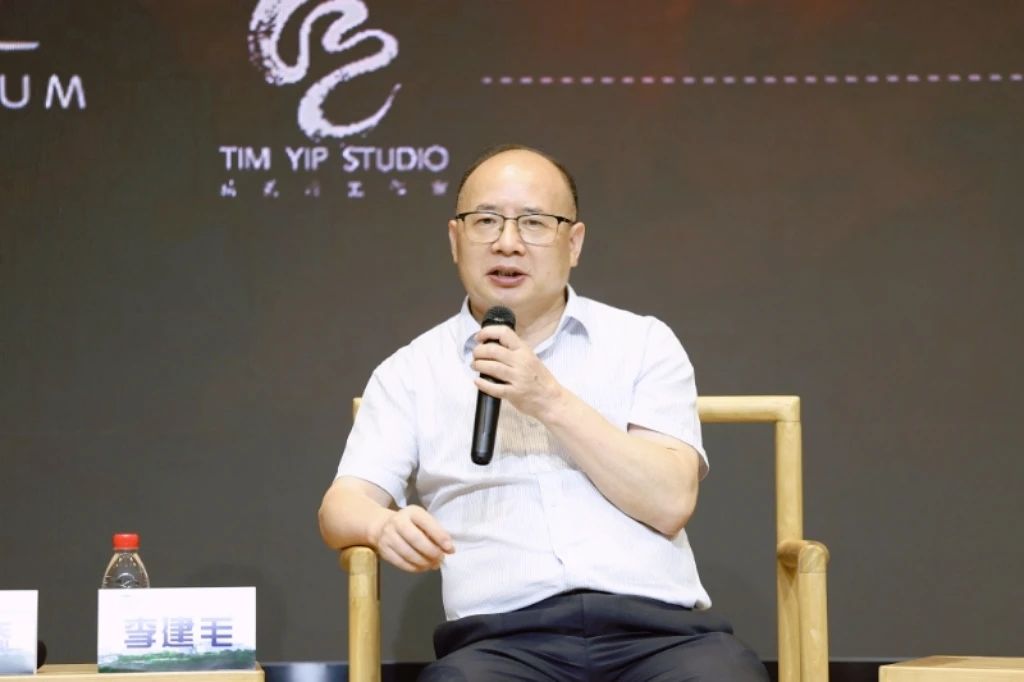
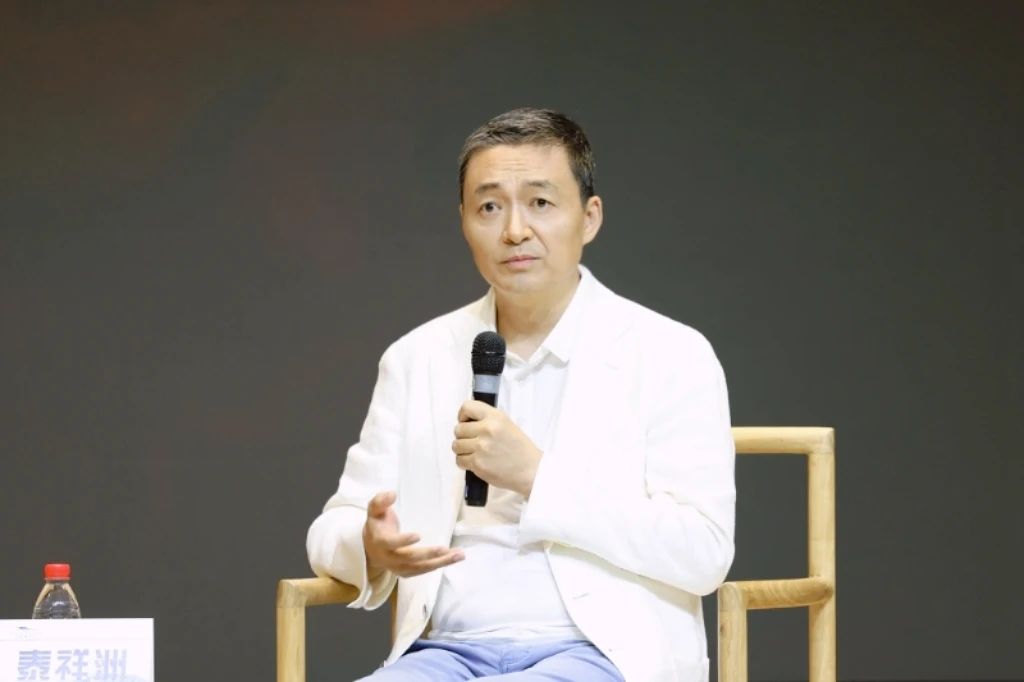
The museum director invited leading figures in the field to discuss the reconstruction of Hunan culture and New-Orientalism Aesthetics.
Exhibition Interpretation
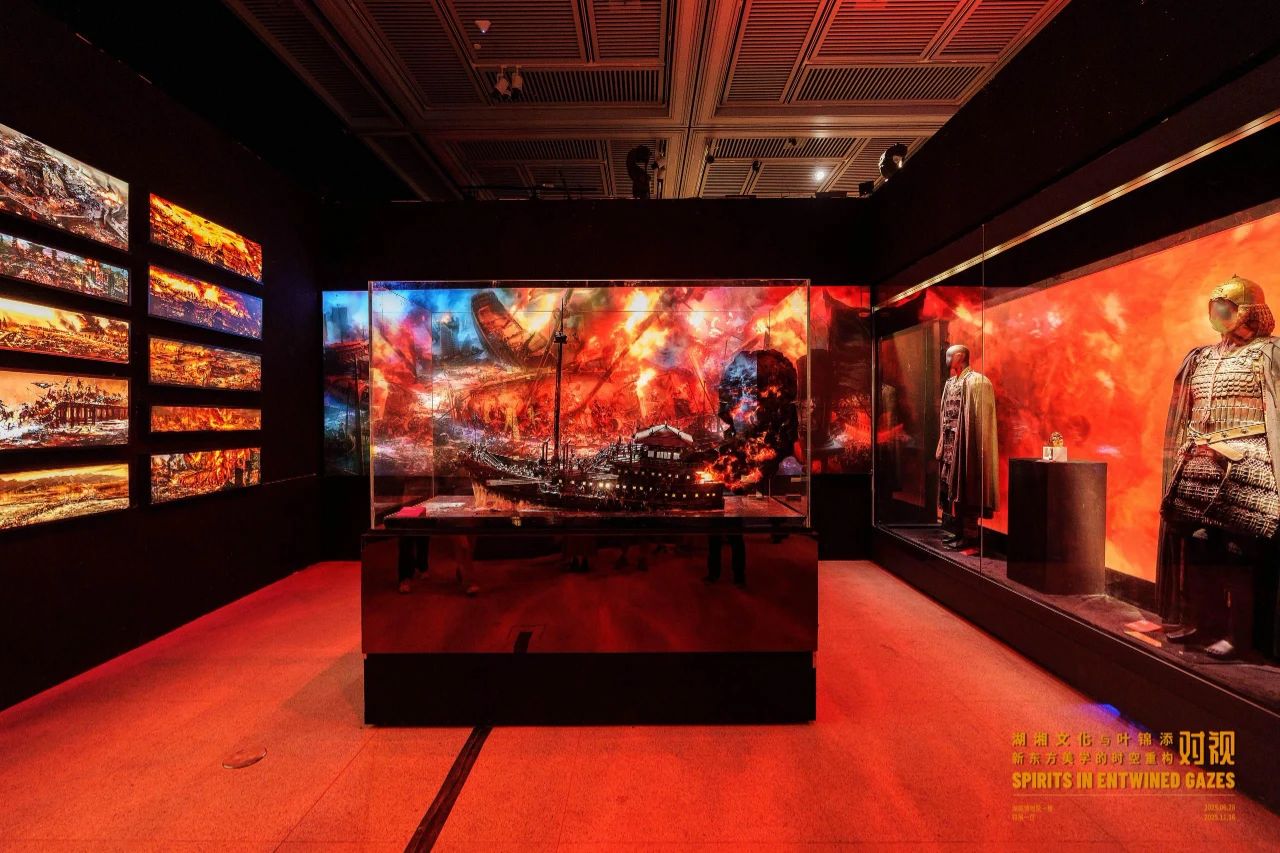
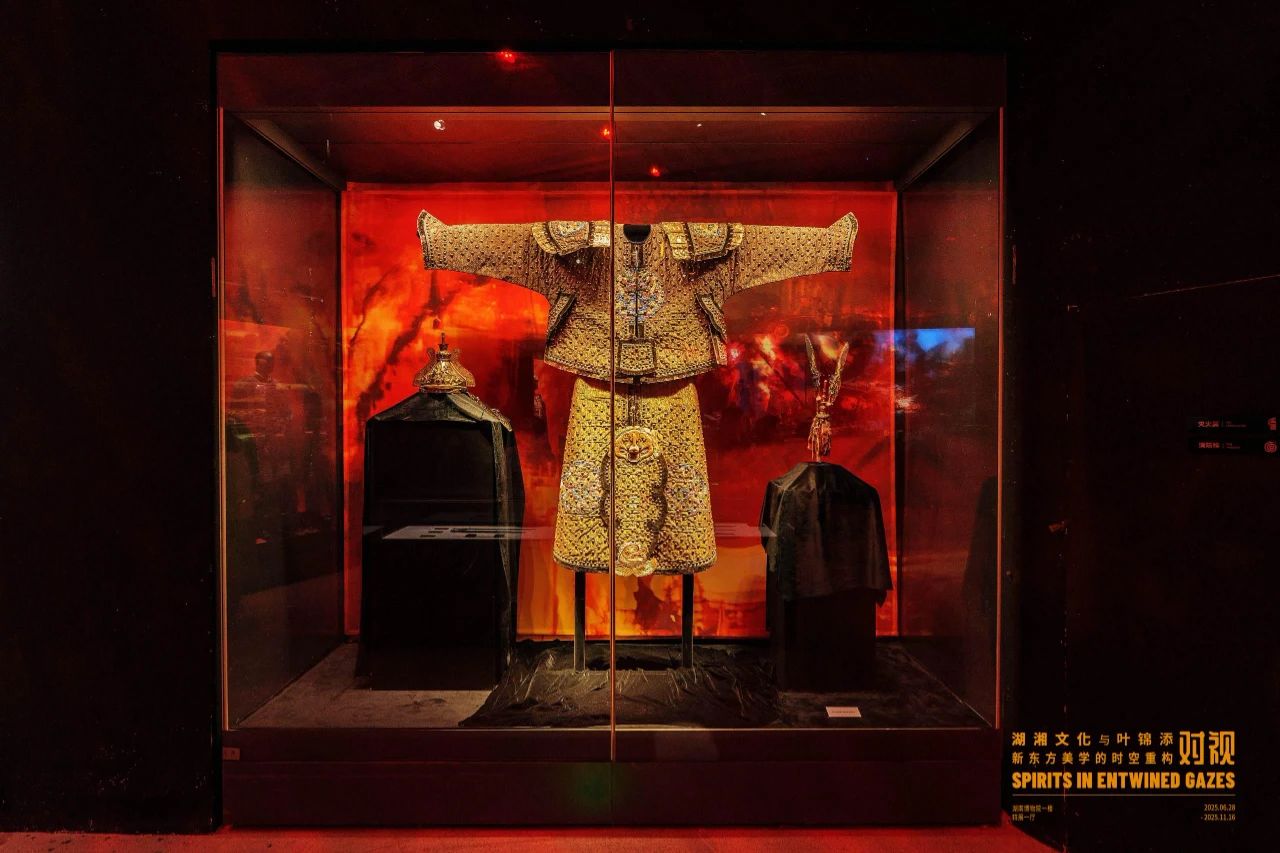
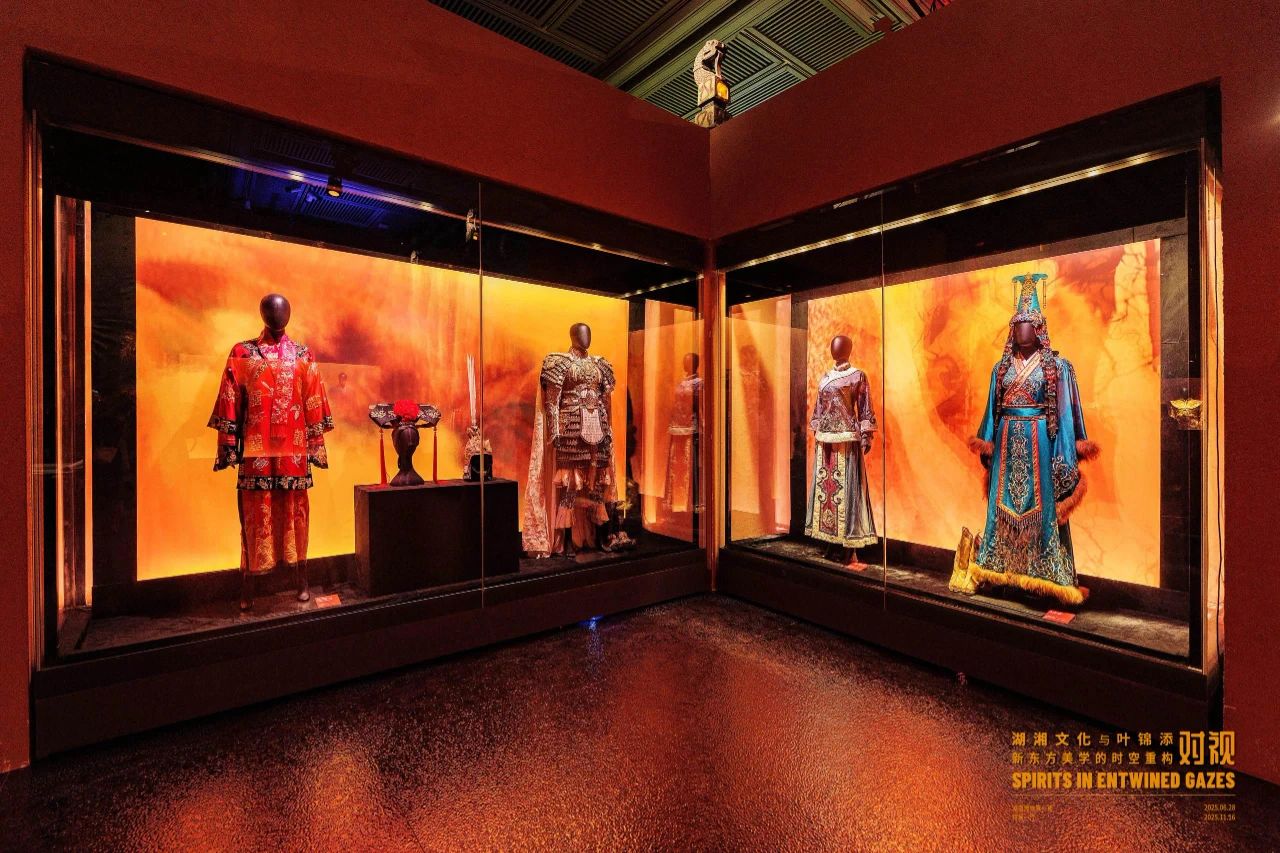
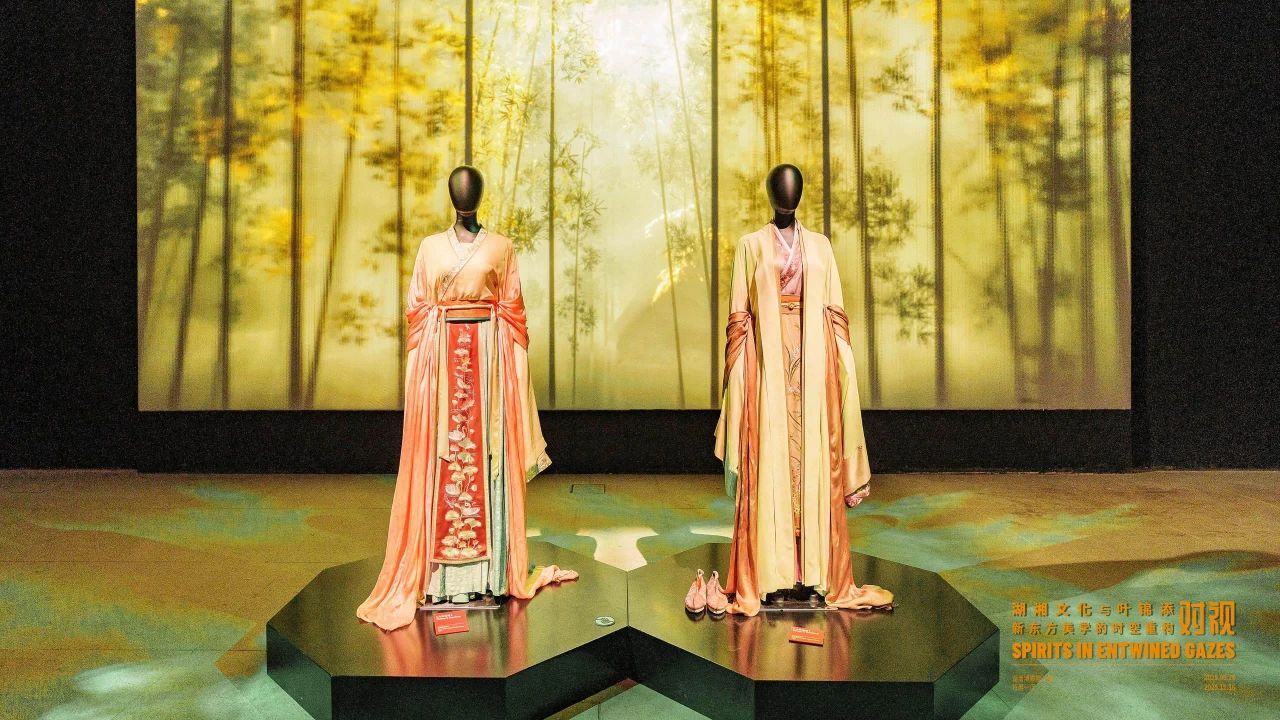
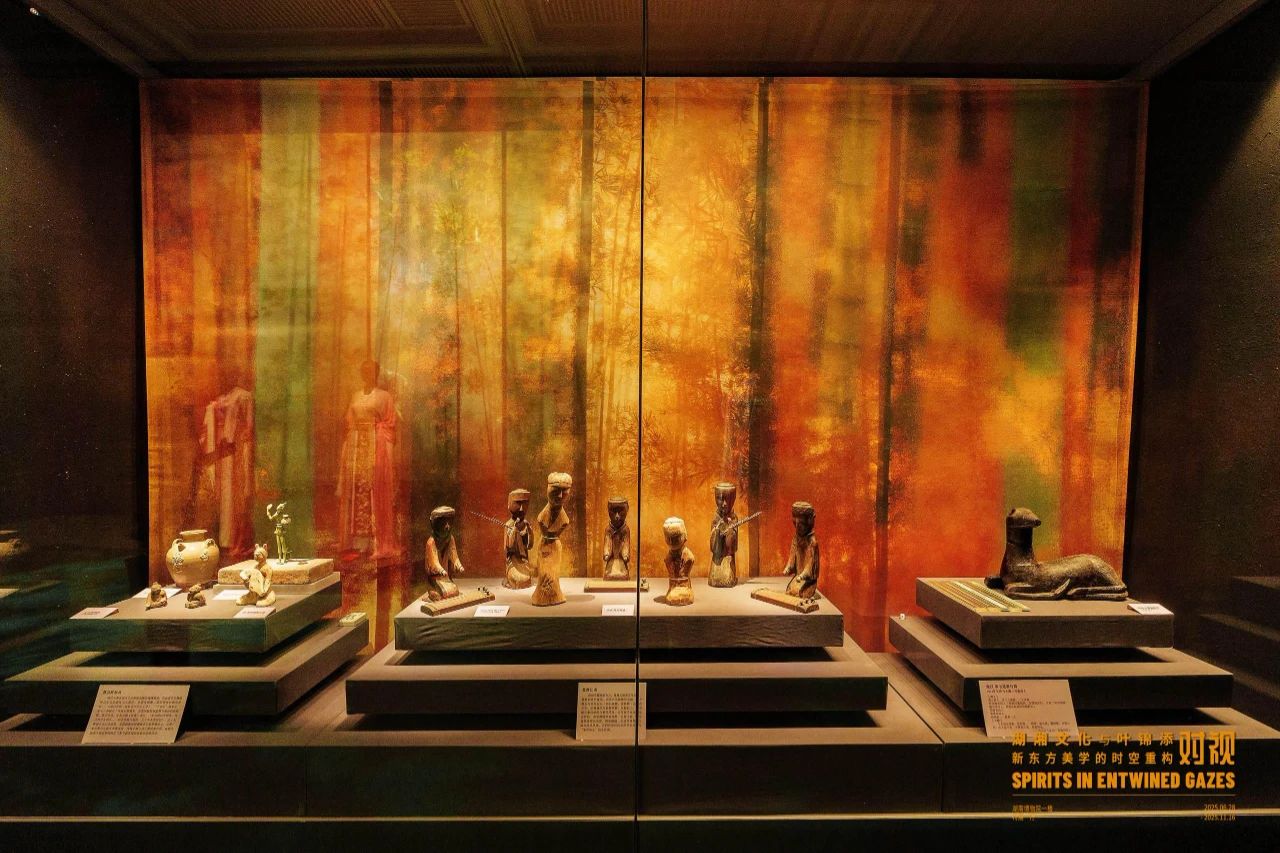
Space I: Chaos
Visitors are invited to re-enter this mysterious world from multiple dimensions, engaging with it through entwined gazes. Rammed-earth walls delineate the outline of the external world, separating the living world from the afterlife. Inside the walls, a sealed and isolated space is created.
Space II: Gaze
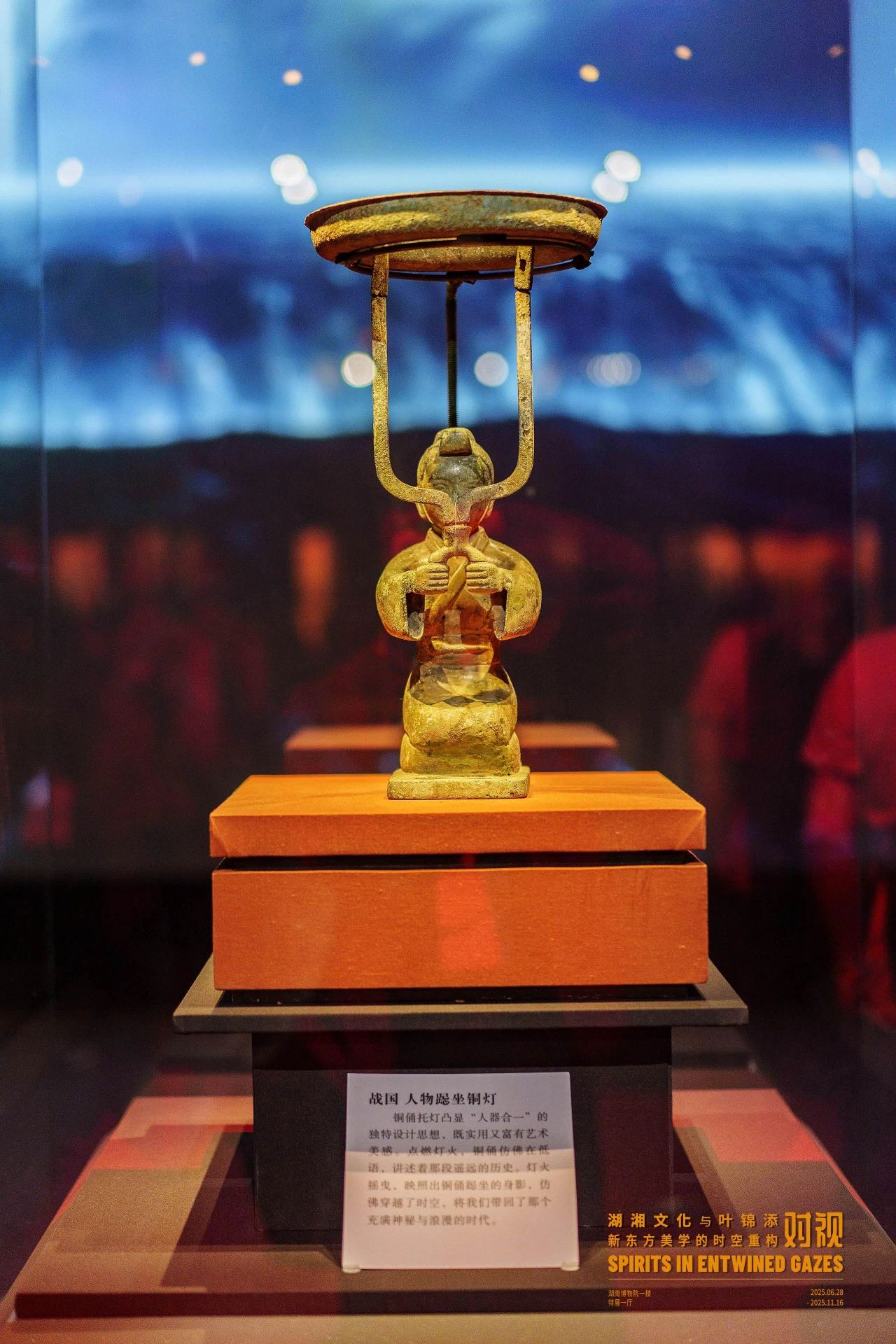
The introductory section is defined by a central axis that directs the viewer’s gaze toward a symbolic representation of eternity. At its origin lies Primal Desire, symbolizing the beginning of life and the eternal drive of emotion. This sculpture is positioned to face the terminus of the axis, where the Bronze Lamp of a Kneeling Figure is located.
Space III: Solitude
In this section, key artifacts including a Qin, a calligraphy work, an inkstone, and garments are presented within a carefully constructed environment designed to evoke the cultural atmosphere of the ancient Chu region.
Space IV: Melody
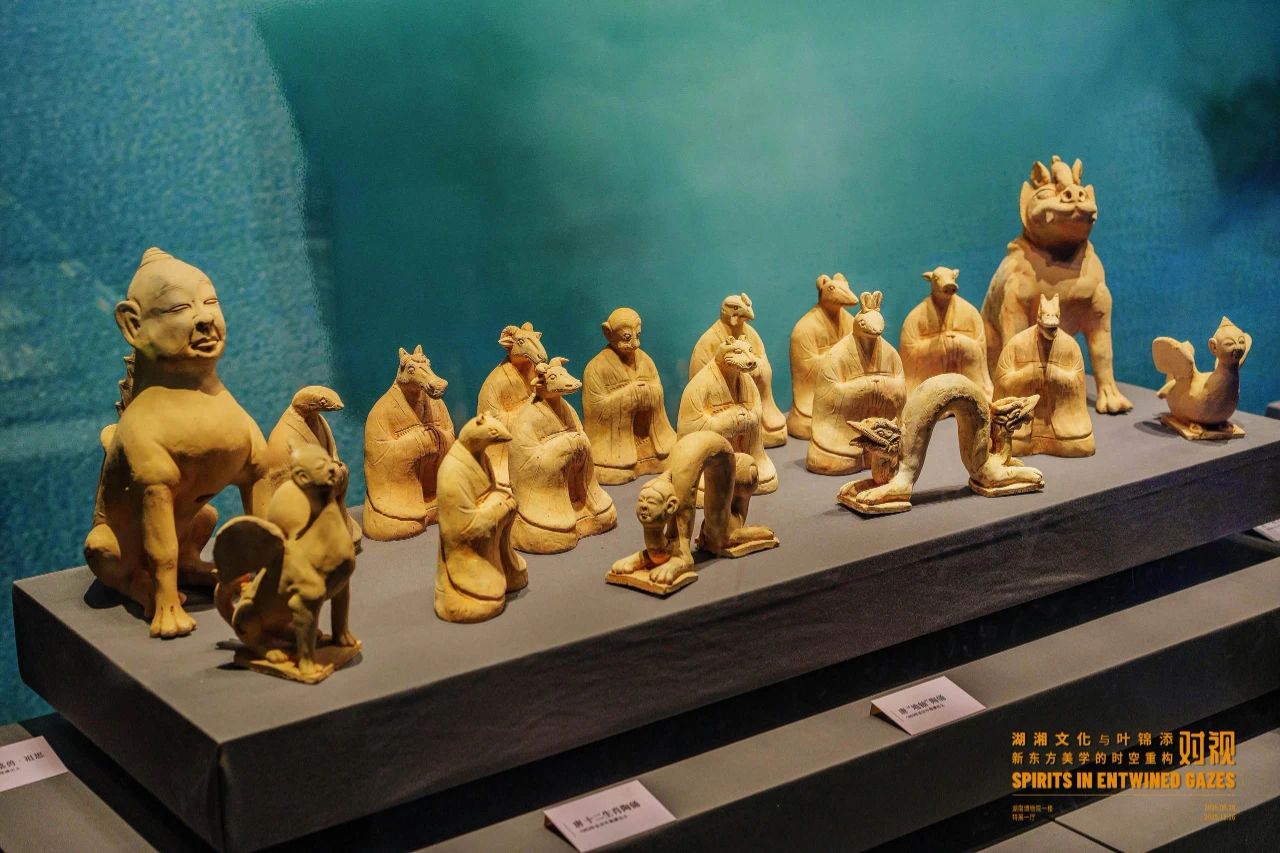
In this section, a collection of terracotta figurines depicting dancers and musicians is presented within a highly atmospheric installation. A soundscape of rustling bamboo and ancient melodies, combined with lighting that evokes a setting sun, is utilized to create a sense of classic elegance.
Space V: Immortality
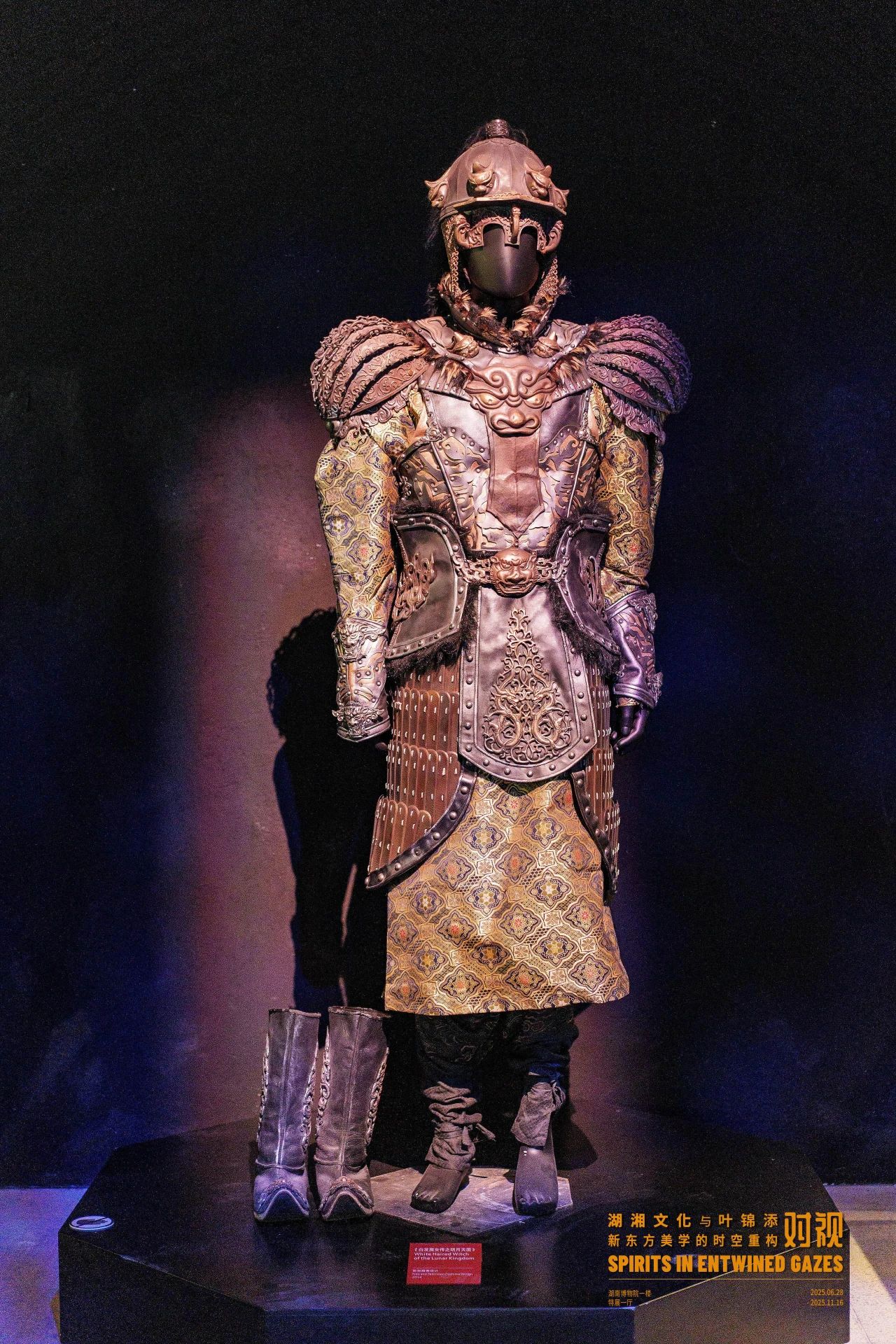
Leaving the waterway, the space opens to reveal the reflection of a golden lake. In the center, the silk paintings and the Coffin with Painted Designs on Black Lacquer Coating from the Mawangdui Han Tombs stand amidst shimmering water, connecting the entire space. They are surrounded by magnificent garments worn by famous generals or legends from various dynasties.
Space VI: Ego
This section showcases the Brown Peony Jacquard Silk Lined Jacket with Front Opening, alongside a set of wedding garments designed for a film. Together, they introduce a vision of classical garments from the perspective of wedding traditions, and are further situated within a mythic framework for the AI era.
Space VII: Anatta
In this space, three liquid-like AI arms are displayed alongside the Dark Reddish Purple “Longevity Embroidery” Floss-silk Padded Gown from the Mawangdui Han Tombs, creating a strange juxtaposition that transcends time, space, and identity.
Space VIII: Reverberation
Passing through a mysterious and splendid golden hall, visitors enter the world of ancient mythology. On the back wall, a landscape of celestial mountains gradually unfolds, where mythical beasts take the stage in succession.
Space IX: Thrones
The cold glint of the Zeng Guofan’s armor evokes the rigidity of law, embodying the strict codes and authority of royalty. Every overlapping scale and every carefully placed feather are designed not only for protection but also to articulate a precise social hierarchy and a ritualistic order.
Space X: Contemplation
In the final space, the vast landscape extends into the deep sea, presenting the infinite imagination of the “mythology of time”. On their individual journeys through endless time and space, humans gaze anew into the mysterious space of life. In this eternal gaze, they continue to write the truth of history and display the ever-evolving creative power.
The exhibition “Spirits in Entwined Gazes: Time-Space Reconstruction of Hunan Culture and Tim Yip’s New-Orientalism Aesthetics” profoundly explores the spiritual resonance between its two core subjects. Through the innovative deconstruction and crossover recombination of historical artifacts and modern art, it, through a narrative of “time-space reconstruction”, presents a panoramic view of the profound heritage and timeless vitality of Chinese culture across thousands of years. This exhibition constitutes a vivid embodiment of Hunan Museum’s commitment to “continuing the Chinese cultural lineage and promoting the creative transformation and innovative development of fine traditional Chinese culture.” It is also a powerful testament to the dedication of cultural practitioners in the new era to uphold their mission, innovate based on tradition and showcase the majestic power of Chinese civilization to the world.
The exhibition will run until November 16 and will be complemented by diverse activities, including live-streamed tours, academic dialogues, and immersive theater performances. Through “Gaze”, we look back at the history, reflect on the present, and envision the future. We invite you to join us for this rendezvous of cultural inheritance and innovation, to deeply feel the vitality of Chinese civilization, and to witness the boundary-crossing rebirth of tradition and modernity.
The exhibition is open to the public from June 28 to November 16, 2025, in Special Exhibition Hall 2 on the first floor of the Hunan Museum. Tickets can be reserved via the Hunan Museum’s official WeChat account or its Alipay mini-program.